Overcoming Stigma: Why Choosing Psychotherapy is a Sign of Strength
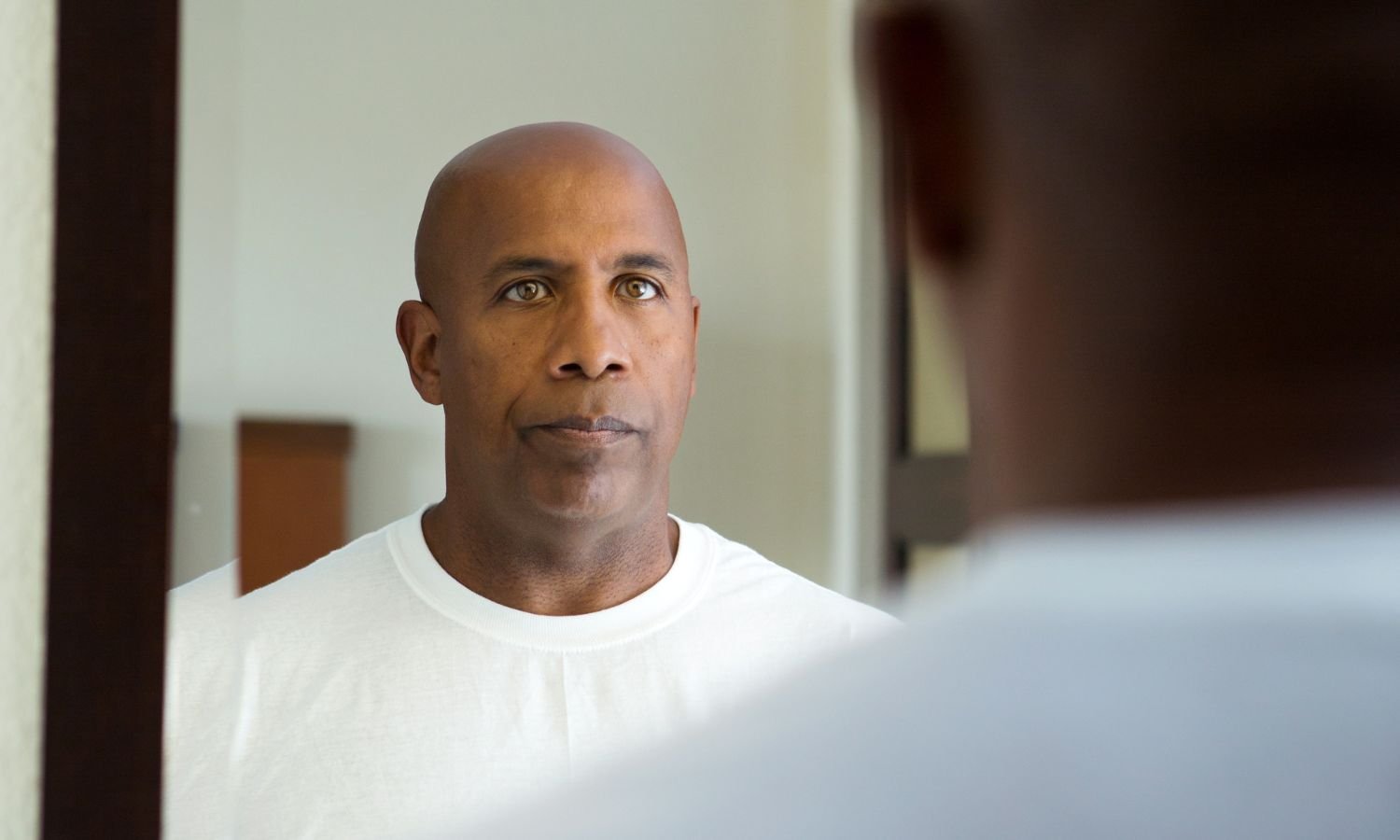
In 1928, then President Herbert Hoover, frustrated with what he saw as the American overreliance on the government post World War I, coined the notion of “rugged individualism.” The concept, in a nutshell, is that Americans should stand on their own two feet and not ask for help; they should be self-reliant in all things. The concept fit in nicely with the frontier spirit romanticized in American culture and suited Hoover’s political aims. But it had a corrosive effect on what Americans think strength looks like and what implies weakness. The idea that asking for help is a sign of weakness has engrained itself into much of our culture and persists, even today. It is especially present when thinking about going into therapy.
Mental illness has long been stigmatized in society. Countless stories, plays, films, and other artistic depictions of the ‘mentally ill’ include horrifying scenes of people out of control, and cold, impersonal staff behaving sadistically toward tragically downtrodden individuals.
While more recent services may approach mental illness with more sympathy, they often lack empowerment. Those who may not have a distinct diagnosis, whose lives are complicated by trauma, adverse life events, or other challenges are regarded as sad and worthy of pity when seeking help, but not admiration for doing what’s in the best interest of their mental well-being.
We would like to change that perception.
Asking for help when help is needed, and knowing when to ask for help rather than plow through alone, is a sign of strength.
Common Objections to Seeking Therapy:
“I can’t take time off of work”
“If I do take time off of work, what do I need to tell my employer? What will they do?”
“It will take too long”
“I don’t have the time”
“It will cost too much”
“I should handle my own problems”
“I don’t know if anyone will understand”
“I don’t want to be judged”
“If I need to talk to someone else, that means I’m weak”
“I’ll figure it out myself”
“It’s like paying for a friend”
“What’s he/she going to tell me that I don’t already know”
This is not an exhaustive list, but it is a common list of challenges people wrestle with when considering therapy.
Time and Cost
The more pragmatic obstacles to seeking therapy; time and cost are real. Making time for therapy is a subjective matter; it may seem as though you don’t have the time but consider this – weekly appointments are commonly just 45-50 minutes long – a worthwhile investment in your emotional well-being. There are also therapists who provide early morning, evening, or weekend appointments which may help you avoid time away from work.
The issue of cost can seem to be prohibitive and an issue that therapists are sensitive to. There are a sizable number of therapists who do take insurance, and that information can be found on their websites or your carrier’s site. Or your plan may offer out-of-network benefits for behavioral health. However, those who are not on insurance plans may likely work on a sliding scale to address financial needs. Additionally, there are low-cost clinics and training centers where high-quality mental health care is available, and there are multiple reliable sources to find such centers.
Emotional Obstacles: Shame and Fear
Other objections come down to two primary, powerful emotions: shame and fear. Shame and fear work in tandem, they sit like temple guardians and block the path to true intimacy, self-awareness, peace of mind, and living life to its fullest potential. Shame and fear underlie, overcoat, and walk in parallel with every negative emotion we experience. It can feel shameful to admit that problems have become unmanageable, and help is needed. It requires a re-evaluation of our approach to life’s difficulties and some humility to accept it’s time for a change. Soldiering on alone through unmanageable problems can lead to maladaptive coping strategies that can be harmful in the long run. It takes an act of courage to admit it’s time to ask for help.
Fear can play a role in avoiding therapy: fear of dependence and fear of change. Some people come from families where they were humiliated when they asked for help because “that’s not what we do in this family.” Or they were neglected or even abused by those they relied upon and thus have lost faith in those in authority they are asked to trust, like a therapist. Still, others fear change, even change for the better. Change is uncertain and it’s more comfortable to stick with what you know than risk the unknown with no guarantee that things will be better.
These obstacles are real, but they need not be held rigidly in place. It may help to recast seeking therapy not as a surrender of a weak incapable individual but as a life-affirming act of a strong, caring, competent person wanting to better themselves and improve their relationships.
So, let’s save the “Rugged Individualism” for those classic Westerns. Let’s be individuals who are self-aware, strong, and know when to ask for help. When you’re ready, browse our directory of low-cost therapists. There’s no cost to use the directory and none of your personal information is required to browse it.