
Browse by Topic

Why We Launched This Initiative, Why We Call it ‘Therapy That Sticks’, and Why It Matters Now
As an organization, Psychotherapy Action Network is dedicated to protecting access to human-centered, relationship-based psychotherapy. This kind of care creates lasting change, change that ‘sticks’. But it's under threat from insurance restrictions, private equity consolidation, and AI-driven models that prioritize efficiency over depth.

When “Once a Week” Isn’t Enough: Understanding Intensive Mental Health Treatment
For many people, mental health care seems to come in just two forms: medication from a provider or weekly therapy. If things get really bad, the next step often seems to be a trip to the emergency room or a hospital stay focused on safety. But outside of these extremes, most people aren’t aware that other, more supportive options exist.
The Importance of Building a Trusting Relationship with Your Therapist
Starting therapy is a big step that takes courage and self-awareness. But beyond showing up to sessions, something else makes therapy work: trust. Think about any close, supportive relationship in your life. Whether it’s a best friend, a partner, or a mentor, the foundation of that connection is trust. Therapy is no different.

Setting Goals in Psychotherapy: What You Should Know
Psychotherapy is a unique process that serves to better one’s life through the understanding and unraveling of past experiences and how they impact behavior thoughts and feelings in the present. Thus, outlining goals in such a process, where goals may change over time presents a challenge to a more contained goal-setting strategy that applies to say, physical therapy.
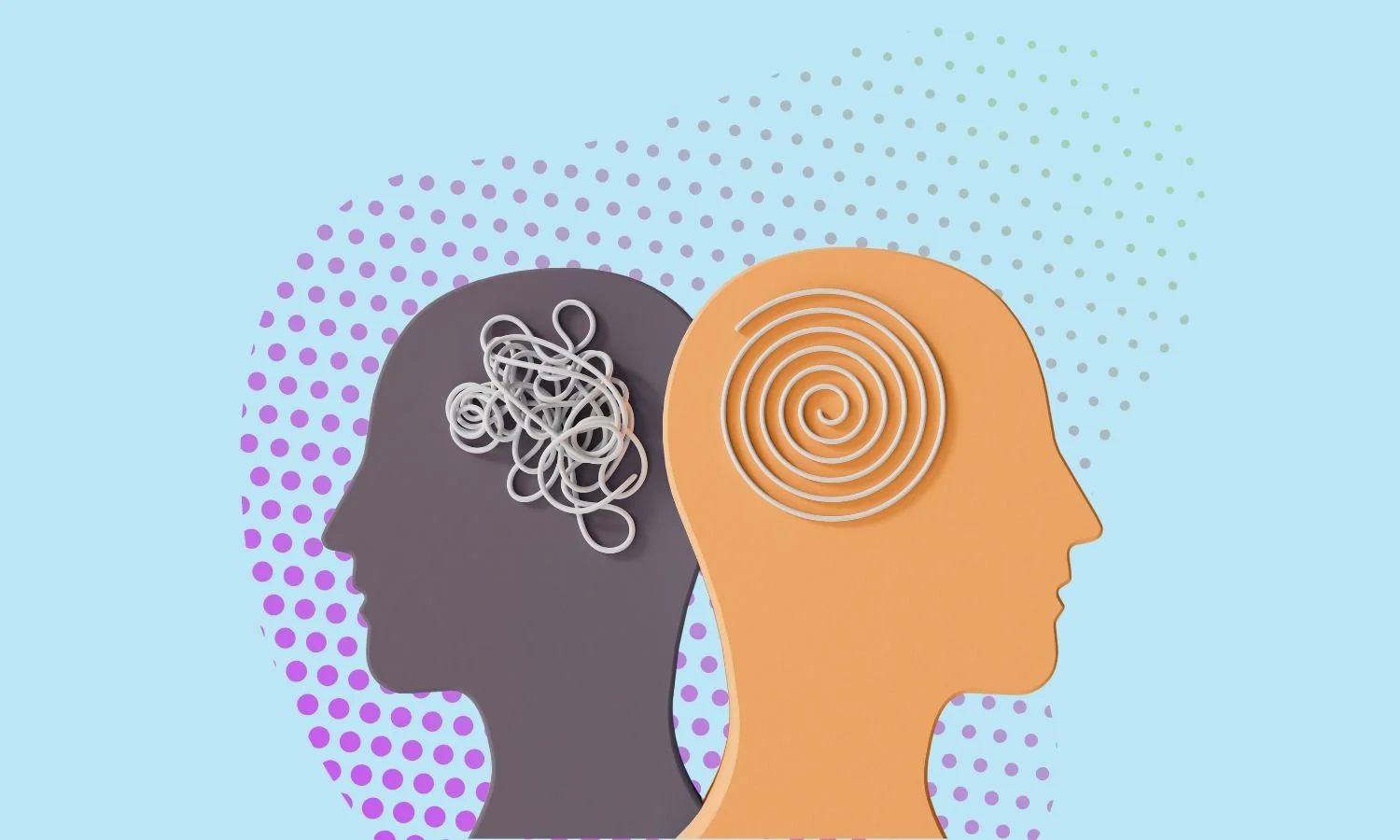
Finding Success in Therapy
You’ve begun to think about going into therapy. It’s a very big step, so naturally, you would like to have some sense that there will be a bit of success before you commit to the time and the investment.

Group Therapy Versus Individual Therapy: Which One is Right for Me?
You’ve made the decision to begin therapy. A commendable choice. But now you’re weighing which modality is right for you: individual or group therapy?

How Psychotherapy Can Help Heal Trauma
Since emotional trauma varies so much, there are many ways to address it. Mild emotional trauma is a fact of life and usually doesn’t require professional treatment. Learning from uncomfortable experiences is a valuable part of normal growth and development. We become more resilient and able to handle minor distress better in the future.

The Role of Psychotherapy in Managing Anxiety and Depression
To treat anxiety and mood symptoms along with their underlying cause, many such conditions are best treated with psychotherapy, either alone or in combination with medication.
Psychotherapy and Medication: A Combined Approach to Mental Health
Medication can ease symptoms, but true healing happens when you get to the root of emotional distress. Psychotherapy helps you understand and reshape patterns for lasting change. Explore how therapy and medication can work together for a stronger, healthier you.

Understanding Different Types of Psychotherapy and Their Uses
In everyday speech, psychotherapy is often shortened to “therapy” and treated as a generic service — as though everyone’s psychotherapy should look the same. And then, to add to the confusion, the public learns that certain terms or buzzwords separate “good” types of psychotherapy from “bad.”
This is a big misunderstanding.